
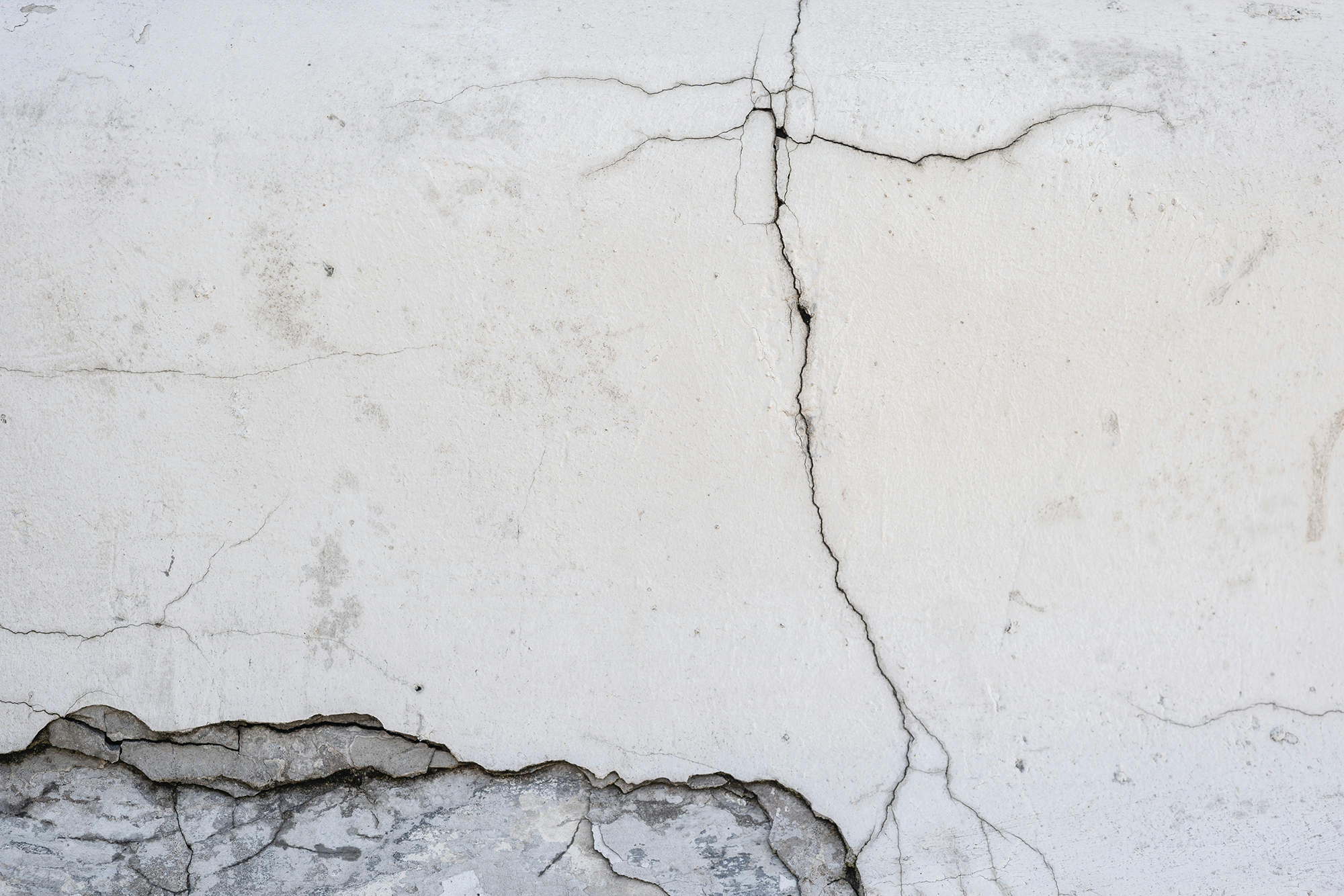
1. Water Damage That Spreads Quietly
A small leak seems harmless until it isn’t. Moisture moves through drywall, subfloors, and framing long before you see visible signs. By the time stains appear, damage is often far more widespread than expected.
The EPA notes that mold can begin growing within 24–48 hours in damp environments, turning a minor plumbing issue into a multi-room remediation project.
Fixing a small leak early may cost a few hundred dollars. Fixing structural damage? Thousands.
2. Outdated Electrical Systems That Become Safety Risks
Older wiring, overloaded circuits, and aging panels don’t just struggle with modern appliances—they pose fire risks. Delaying electrical improvements can create hazards behind walls you never see.
The National Fire Protection Association (NFPA) documents that faulty wiring remains a leading cause of home fires in the U.S., particularly in houses over 30 years old.
An electrical refresh during a renovation is far less costly than emergency fire repairs.
3. Rising Material & Labor Costs
Construction costs don’t stay flat. Materials like lumber, drywall, tile, and fixtures often fluctuate year to year. Labor costs rise steadily as demand increases.
If a homeowner delays a renovation for one or two years, the same project can cost 10–25% more simply due to inflation and material shortages. Acting earlier can mean significant savings.
4. Small Cosmetic Issues Turning Into Structural Ones
Peeling paint might be cosmetic. But peeling paint paired with moisture is a warning sign. Loose tiles may indicate movement underneath. Soft spots in flooring can mean rot developing below.
Renovations aren’t just about improving aesthetics—they’re about preventing hidden deterioration from spreading into other parts of the home.
5. Reduced Home Efficiency & Higher Monthly Bills
Homes lose efficiency gradually. Old windows leak heat, aging insulation settles, and older appliances use more electricity than modern ENERGY STAR® rated ones.
The U.S. Department of Energy notes that improving insulation and upgrading fixtures can significantly lower utility costs.
Delaying these upgrades means months or years of unnecessary spending.
6. Lower Resale Value (and Tougher Inspections)
Before buyers make an offer, inspectors note aging systems, worn interiors, leaks, code issues, and outdated wiring. Problems flagged during inspection often lead to repair requests—or reduced offers.
Homes that show obvious signs of deferred maintenance simply sell for less. Renovating gradually preserves value long before selling becomes a priority.
When It’s Time to Stop Delaying
The biggest sign it’s time to renovate? When a recurring issue begins interfering with comfort, safety, or basic function. Delaying rarely makes the problem cheaper—just more expensive and disruptive when it eventually demands attention.
EGM Construction helps homeowners take the overwhelm out of renovations. Whether it’s a slow-growing moisture issue, an aging bathroom, or a kitchen reaching the end of its useful life, our team can help you prioritize what needs attention now and what can wait.
Next Step: Start With a Conversation
If you’re unsure where to begin, a consultation is the easiest way to get clarity. We can look at the age of your systems, visible issues, and your long-term goals to guide you.
Visit our contact page to schedule a consultation and get ahead of the hidden costs before they grow.